
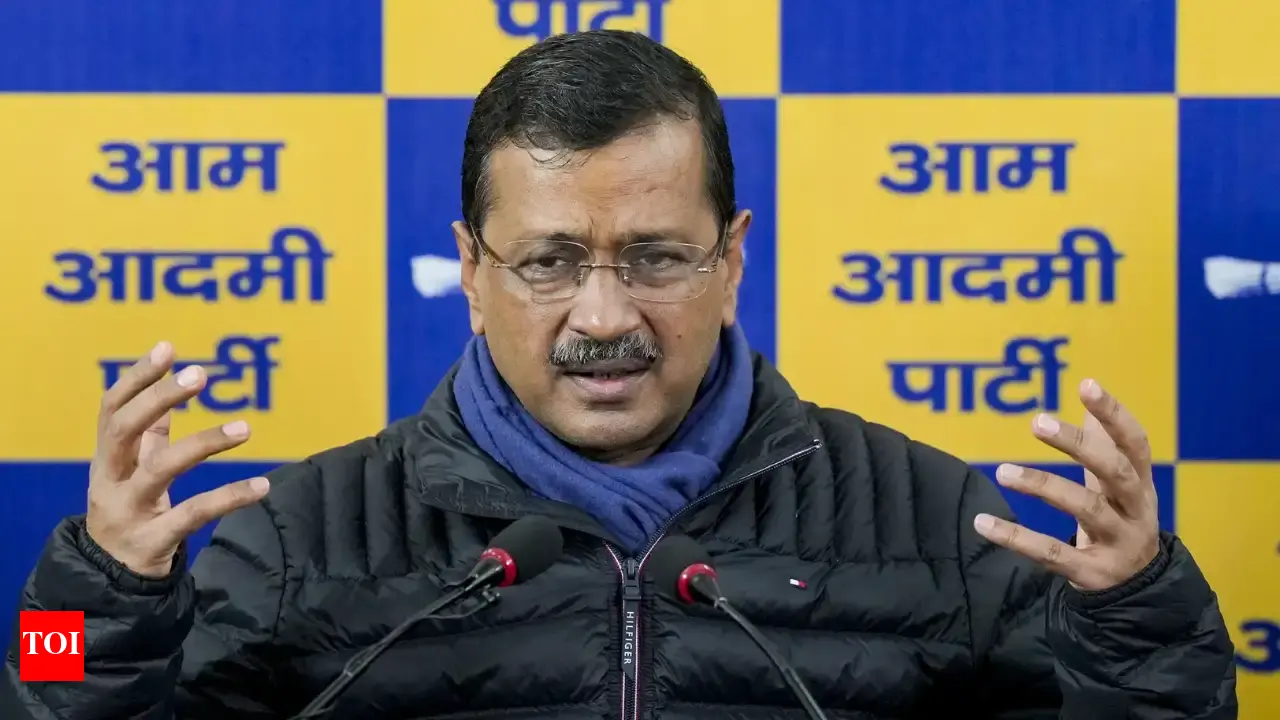
Historic Initiative Against Drug Abuse in Punjab: Arvind Kejriwal’s Vision to Educate Children from Childhood
Introduction
In a bold and unprecedented move, the Aam Aadmi Party (AAP) government in Punjab, led by Chief Minister Bhagwant Mann and guided by AAP Convenor and Delhi Chief Minister Arvind Kejriwal, launched a statewide campaign against drug abuse—aiming to address the problem at its very root: childhood. This initiative is being hailed as a landmark effort to tackle the state’s long-standing drug crisis not just through policing and de-addiction, but through preventive education starting from schools.
Speaking at the launch event, Arvind Kejriwal declared:
“Today is a historic day for the whole country, when children will be educated against drug abuse from childhood.”
This one sentence encapsulates a visionary shift—from reactive to proactive strategies in addressing one of India’s most severe public health and societal challenges. In this blog, we explore the depth of Punjab’s drug problem, why this initiative is unique, what the AAP government’s strategy entails, and how it could become a national model.
Punjab’s Long Struggle with Drug Abuse
Punjab has long been plagued by a drug epidemic that has claimed thousands of lives, destroyed families, and impaired the productivity of an entire generation. Geographically located near the Golden Crescent—a major opium-producing region comprising Afghanistan, Iran, and Pakistan—Punjab has become both a transit and consumption hub for narcotics.
Alarming Statistics:
- A 2015 AIIMS report found that over 2.3 lakh people in Punjab were opioid-dependent.
- Recent surveys estimate that more than 8 lakh youth in the state are directly or indirectly affected by drug abuse.
- Heroin, synthetic drugs, prescription opioids, and even newer designer drugs have infiltrated not only urban areas but also rural villages.
What makes the issue more tragic is that many addicts are as young as 12–14 years old, indicating a dangerous shift toward early-age addiction. Families, especially in the Majha and Malwa regions, have witnessed devastating social consequences.
Political Context: From Denial to Action
For years, successive governments in Punjab have either denied the scale of the crisis or taken only half-hearted measures. While some crackdowns were launched under the Akali Dal and Congress regimes, allegations of political links with drug mafias often stymied real reform.
The 2022 Punjab Assembly election was a turning point. The AAP swept to power on the promise of eradicating corruption and drugs from the state. Unlike previous governments, the Mann-Kejriwal duo vowed to confront the issue holistically, not just through law enforcement but by changing societal mindsets.
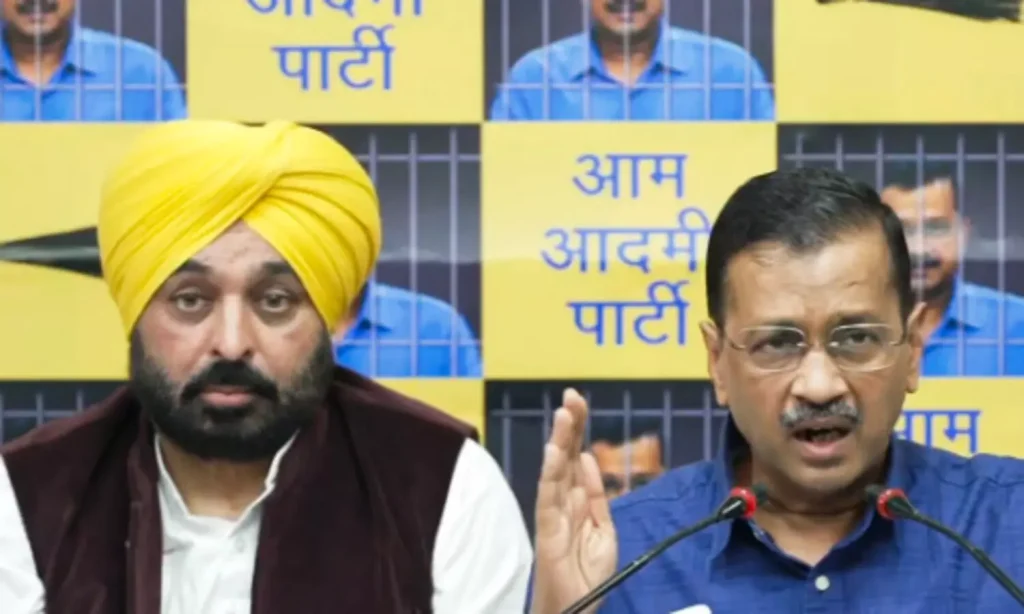
The Historic Announcement: Kejriwal’s 3 Pillar Strategy
On August 1, 2025, during a state-wide education event held in Ludhiana, Arvind Kejriwal launched a multi-phase drug awareness and prevention campaign. The theme was simple yet profound: “Drug-Free Punjab Begins in the Classroom.”
Key Highlights of the Initiative:
1. Curriculum Integration:
Starting from primary schools, students will now be taught about:
- The dangers of drug use
- How to resist peer pressure
- Real-life stories of recovery and relapse
- Awareness of psychological well-being
This education will be age-appropriate and taught in both Punjabi and English, developed in collaboration with medical and psychological experts.
2. Teacher Training Programs:
Over 1 lakh teachers across Punjab will undergo training on how to identify early signs of drug abuse, counsel affected students, and create a stigma-free school environment.
3. Parents as Partners:
Workshops and awareness programs will also target parents—who are often unaware or in denial about their children’s vulnerability. Regular school-home reports will include behavioral assessments, and guidance counselors will be made available.
AAP’s Long-Term Vision: Prevention Over Punishment
At the event, Kejriwal made it clear that Punjab’s war on drugs was not just about jailing peddlers or conducting raids, but about “breaking the cycle of addiction before it begins.”
This philosophy is based on successful models from countries like Portugal and Iceland, which tackled substance abuse through early education, community involvement, and healthcare-based rehabilitation—not just police action.
“We will not let another generation be lost to drugs,” Kejriwal vowed.
“Addiction doesn’t start with a needle—it starts with a decision. We must teach our children to say no before someone tells them to say yes.”
The Mann Government’s On-Ground Implementation Strategy
Chief Minister Bhagwant Mann, who has personally spoken about how drugs have destroyed youth in his own constituency, laid out a detailed implementation roadmap:
Phase 1: Curriculum Reform (Aug–Oct 2025)
- Educational boards (PSEB & CBSE schools in Punjab) to implement new modules
- Weekly classroom activities like skits, debates, and poster-making on drug awareness
- Launch of a mobile app for students to report substance abuse anonymously
Phase 2: Community and Panchayat Involvement (Oct–Dec 2025)
- Training of village sarpanches and local health workers
- Block-level awareness drives through nukkad nataks (street plays)
- Formation of “Youth Against Drugs” community groups
Phase 3: Monitoring and Rehabilitation (2026 onward)
- Monthly progress report cards for schools and districts
- District-wise anti-drug task forces comprising educators, doctors, and police
- Expansion of government-run rehab centers, free of cost for school children and youth
Public Reaction: Hope and Skepticism
The public’s response has been mixed, though largely hopeful.
In Support:
- Parents and teachers have praised the decision, with many saying it’s long overdue.
- NGOs and de-addiction experts believe that school-based education can delay first-time drug use by 3–5 years, reducing long-term dependency.
Critics Say:
- “This looks good on paper, but will it be implemented?” asked Harinder Pal, a retired school principal.
- “What about college students who are already addicts?” questioned Amritpal Singh, a social worker in Amritsar.
AAP leaders clarified that parallel college-level and de-addiction programs are in the works and will roll out in early 2026.
Political Opposition: A War of Narratives
While the BJP and Congress welcomed the initiative in principle, they did not miss the opportunity to critique the AAP’s broader governance record.
Congress MLA Partap Singh Bajwa said:
“You can’t fight drugs by just giving lectures. Where are the police reforms? Where is the crackdown on smugglers?”
BJP leader Tarun Chugh added:
“This is another PR stunt. Punjab needs action, not just announcements.”
In response, AAP ministers released data showing:
- Over 18,000 arrests in drug-related cases in the last year
- Seizures of heroin and synthetic drugs worth over ₹1,200 crore
- Increased conviction rate in NDPS (Narcotic Drugs and Psychotropic Substances) cases
Student Voices: A New Generation Speaks Up
We spoke to students across districts, and many were excited about the change:
Ravneet Kaur, Class 9, Patiala:
“My cousin became an addict and dropped out of school. If someone had warned him in time, maybe his life would be different. I want to help others.”
Amanpreet Singh, Class 11, Bathinda:
“We always see ‘Say No to Drugs’ signs. But now, for the first time, someone is explaining WHY we should say no.”
These sentiments indicate that the message is reaching its most critical audience—the youth.
National Implications: Will Other States Follow?
Kejriwal has hinted that if successful, this Punjab model could be replicated in Delhi and other AAP-governed states like Gujarat. He even appealed to the Union Government to consider including anti-drug education in the National Education Policy.
There’s also growing pressure on states like Uttar Pradesh, Maharashtra, and Rajasthan—where drug abuse is on the rise—to adopt similar preventive education programs.
The Role of Technology in Awareness
AAP’s tech-savvy approach is another game changer. Key digital components of the campaign include:
- “No Drugs Punjab” App – For students and citizens to report drug activity confidentially
- WhatsApp Helpline – 24/7 support for parents and students seeking help
- YouTube Channel – Weekly stories of recovery and motivational content featuring celebrities and influencers
This ensures the campaign doesn’t stay restricted to school walls, but reaches screens where youth spend most of their time.
Challenges Ahead: What Could Go Wrong?
No campaign of this scale is without hurdles. Experts have identified several risks:
- Resistance from Rural Areas
Cultural taboos and stigma may prevent open discussions in conservative villages. - Teacher Overload
Teachers are already burdened with syllabus deadlines and administrative tasks—will they have time for drug education? - Lack of Coordination
Coordination between schools, police, and health departments must be seamless for results to be visible. - Political Interference
If the campaign is politicized too much, its core message might be diluted.
Lessons from Global Models
Countries that have successfully tackled drug abuse include:
- Portugal: Decriminalized drug use, focused on education and rehabilitation.
- Iceland: Launched school-centric drug education and drastically reduced teenage drug use in two decades.
- Australia: Uses a “whole-of-community” approach with education, parental monitoring, and sports engagement.
Punjab’s new initiative seems inspired by a combination of these models—but tailored for Indian realities.
Conclusion: A Beginning, Not the End
The war against drugs is a marathon, not a sprint. Arvind Kejriwal’s statement that “children will be educated from childhood” is not just a political slogan—it could be the cornerstone of a generational transformation. If successful, Punjab may not only defeat its drug menace but also set a new gold standard for preventive public health policies in India.
This historic initiative is a rare moment of visionary governance in a political climate often dominated by short-term wins. It signals hope—not just for Punjab—but for every parent, teacher, and child in India.
Let this not be a one-day headline, but a long-lasting revolution.
read more latest news

