
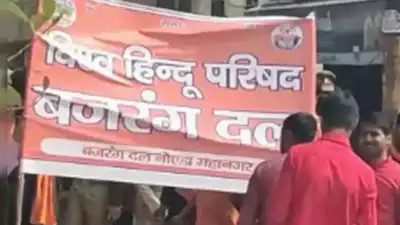
VHP and Bajrang Dal Protest at Christmas Event
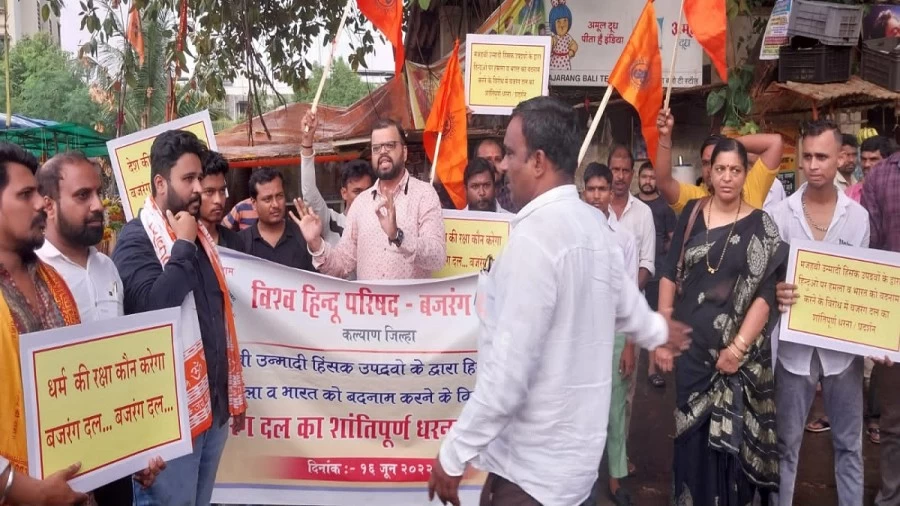
On December 25, 2024, a Christmas celebration in Bajrang Dal protest Haryana turned into a scene of political and cultural contention as members of the Vishva Hindu Parishad (VHP) and Bajrang Dal staged a protest during the event. The groups disrupted the gathering, recited the Hanuman Chalisa, and alleged that the event was a front for religious conversions. This incident has sparked heated debates on freedom of religion, cultural identity, and communal harmony in India.
The Incident: What Happened?
The Christmas event, organized by a local Christian community Bajrang Dal protest in a small town in Haryana, aimed to celebrate the festive spirit with carol singing, prayers, and the distribution of gifts to children. According to eyewitnesses, the event was progressing peacefully until a group of VHP and Bajrang Dal activists arrived at the venue. The protesters alleged that the event was being used to convert Hindus to Christianity.
Key Events:
- Protest and Disruption: The activists entered the venue, chanting slogans like “Jai Shri Ram” and “Bharat Mata Ki Jai,” and began reciting the Hanuman Chalisa.
- Accusations of Conversion: They claimed that the organizers were distributing Christian literature and pressuring attendees to convert.
- Police Intervention: Local authorities were called to the scene. While no major violence was reported, the event was disrupted, and some attendees left prematurely.
The Reaction: Diverse Perspectives
Christian Community
The organizers of the event denied the allegations of religious conversion.
“This was purely a celebration of Christmas, open to people of all faiths. The accusations are baseless and hurtful,” said a spokesperson for the community.
They expressed concerns about the growing intolerance and the impact such incidents could have on interfaith relations.
VHP and Bajrang Dal
The VHP and Bajrang Dal justified their actions, stating that they were protecting Hindu culture and traditions.
“We have no issue with Christmas celebrations, but we will not tolerate any attempts to convert Hindus under the guise of festivities,” said a Bajrang Dal leader.
Political Responses
- Ruling Party: Leaders from the ruling party refrained from directly criticizing the protest but emphasized the need for peaceful coexistence.
- Opposition: Opposition parties condemned the disruption, accusing the government of enabling such groups.
Legal and Ethical Dimensions
The incident raises critical questions about the intersection of law, religion, and individual freedoms.
Freedom of Religion
India’s Constitution guarantees the right to practice, profess, and propagate any religion. However, this right is often contested in cases involving alleged conversions.
Anti-Conversion Laws
Several states, including Haryana, have laws restricting religious conversions, especially those deemed coercive or fraudulent. Critics argue that these laws are often misused to target minority communities.
Public Order and Freedom of Assembly
While peaceful protest is a democratic right, disrupting religious or cultural events poses a challenge to maintaining public order and safeguarding freedoms.
Impact on Social Harmony
The protest has deepened communal divisions in the region. Local residents expressed mixed feelings:
- Support for the Protest: Some locals supported the VHP and Bajrang Dal, viewing their actions as a defense of Hindu traditions.
- Calls for Tolerance: Others emphasized the need for mutual respect and the preservation of India’s pluralistic ethos.
Broader Context: Rising Religious Tensions in India
Incidents like these are not isolated but reflect a growing trend of religious polarization.
Statistics and Trends
- According to a 2023 report by the Pew Research Center, religious conflicts in India have increased by 15% over the past decade.
- Minority communities often report feeling targeted or marginalized.
Role of Social Media
Social media platforms amplified the incident, with both sides using it to share their narratives. While some posts called for peace, others escalated tensions with inflammatory rhetoric.
Historical Context
Religious and cultural confrontations have been part of India’s history, but the recent surge in such incidents points to deeper societal shifts. Analysts attribute this to:
- Political Polarization: The increasing influence of identity politics.
- Economic Inequalities: Frustrations stemming from unemployment and poverty, which are often redirected into communal conflicts.
- Global Trends: A rise in religious conservatism worldwide.
Moving Forward: Path to Reconciliation
To prevent such incidents and foster communal harmony, a multi-pronged approach is needed:
Dialogue and Engagement
- Interfaith Dialogues: Regular interactions between community leaders to build trust and understanding.
- Community Policing: Training police to handle sensitive situations with empathy and neutrality.
Education and Awareness
- Value-Based Education: Incorporating lessons on tolerance and diversity in school curricula.
- Public Campaigns: Initiatives to promote the idea of unity in diversity.
Strengthening Legal Frameworks
- Clear Guidelines: Defining the limits of protests to balance freedom of expression and public order.
- Accountability: Holding groups accountable for actions that disrupt communal harmony.
Conclusion: A Test of India’s Pluralism
The protest at the Christmas event in Haryana serves as a stark reminder of the challenges facing India’s pluralistic fabric. While the right to protest and protect cultural identities is valid, it must not come at the cost of mutual respect and social harmony. As the nation grapples with these issues, it is imperative to reaffirm the values enshrined in the Constitution and work towards a society where diversity is celebrated, not contested.
Read more latest News

