
A Heroic Tale of Conservation: 6 Dolphins Rescued by Avadh Forest Division in Mohanlalganj
Introduction: A Victory for Wildlife Conservation in Uttar Pradesh
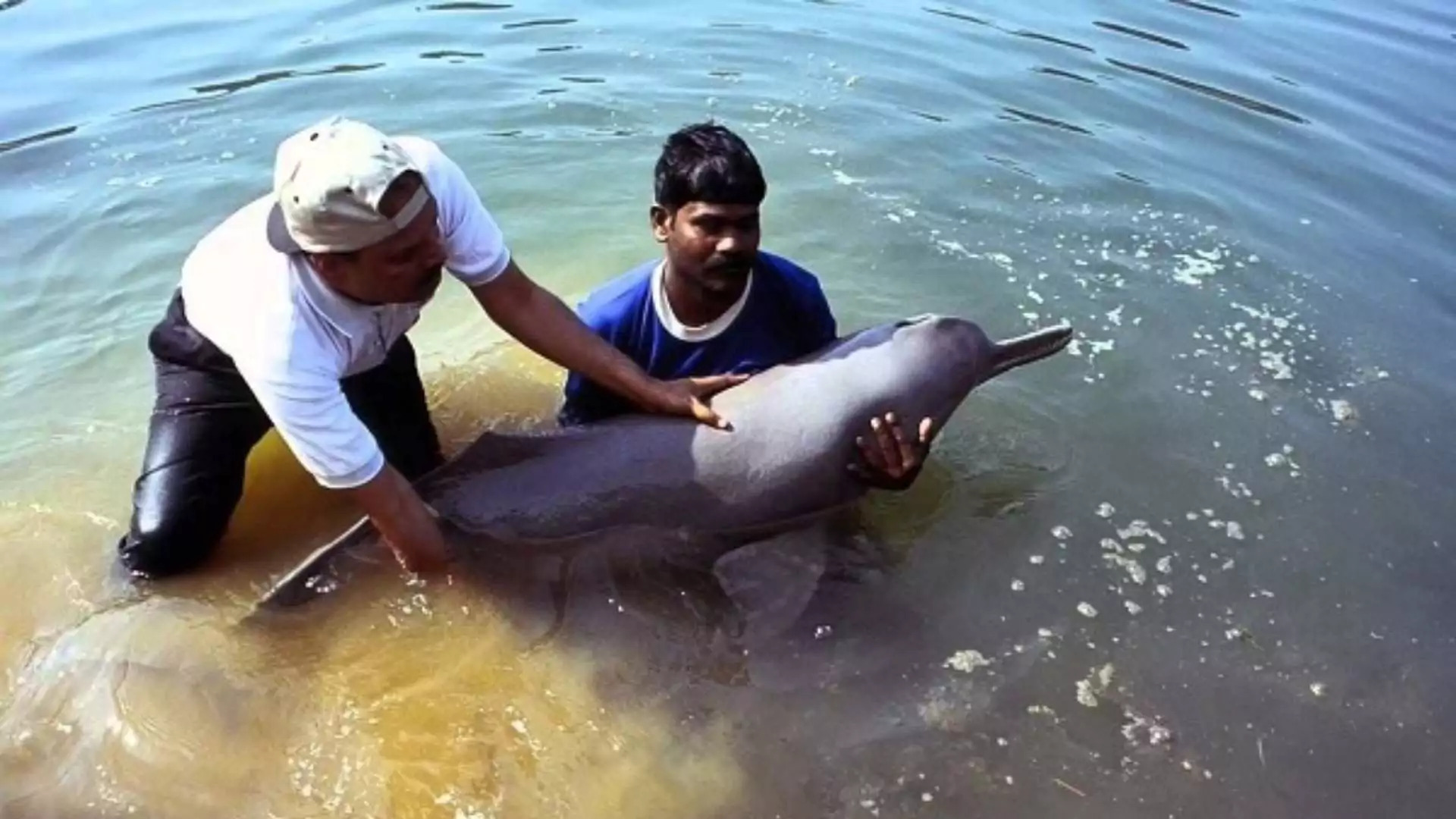
successful dolphin rescue In a landmark moment for wildlife conservation in India, the Avadh Forest Division and the Lucknow Wildlife team carried out a remarkable rescue operation on May 28, 2025, in the Mohanlalganj range of Uttar Pradesh. A total of six Gangetic river India’s National Aquatic Animal, were successfully rescued from a life-threatening situation and safely relocated to the Ghaghra river in Barabanki district, restoring them to their natural habitat.
This rescue was not just an operational success—it was a symbol of commitment to ecological preservation, inter-departmental coordination, and public awareness about the plight of freshwater dolphins. In this blog, we delve into the details of the operation, the challenges faced, the significance of river, and what this event means for conservation efforts in India.
Chapter 1: What Happened on May 28, 2025?
On the morning of Wednesday, May 28, officials from the Avadh Forest Division received alarming reports from local villagers in the Mohanlalganj range. A group of had been trapped in a shrinking water body—likely an isolated patch caused by seasonal changes in river flow or accidental canal diversions.
Forest officers, on inspecting the site, confirmed that six Gangetic dol-phins were stranded, struggling to survive in extremely low water levels. Time was critical. Without intervention, the dol-phins would have died due to dehydration, injury, or stress.
Immediately, a rescue operation was initiated, involving:
- The Avadh Forest Division
- Wildlife and aquatic experts from Lucknow
- Local authorities and volunteers
- Rescue boats, tarpaulins, stretchers, and water transport systems
Chapter 2: The Rescue Operation – Coordination and Courage
The rescue operation began at first light and continued into the afternoon. The team worked in high summer temperatures, ensuring minimal stress to the animals.
Steps Taken:
- Assessment and Monitoring: Forest officials first stabilized the area and set up a perimeter to keep crowds away.
- Water Quality Check: Veterinary experts analyzed the health of the trapped dol-phins and the water conditions.
- Careful Extraction: Using custom-built tarpaulins, the dol-phins were carefully lifted and moved to specially designed containers filled with freshwater.
- Transport to Ghaghra River: The dol-phins were transported under tight monitoring to a deeper, safer stretch of the Ghaghra river in Barabanki district.
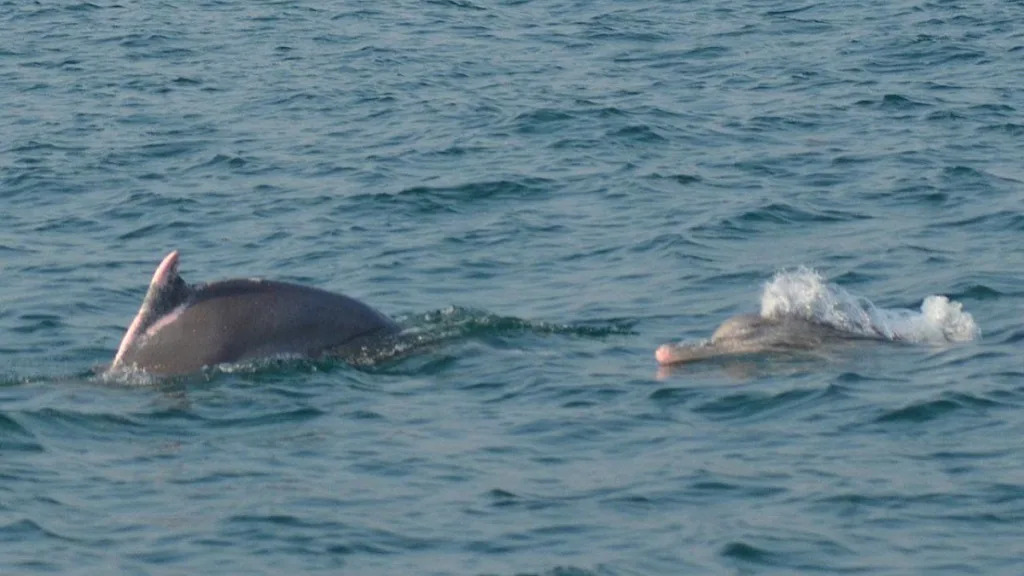
By late afternoon, all six dol-phins were successfully released into their new habitat, observed swimming freely in deeper waters—safe, secure, and home again.
Chapter 3: Why the Gangetic Dolphin Matters
The Gangetic dol-phin (Platanista gangetica) is more than just a species—it’s a symbol of freshwater ecosystem health. Found in India, Nepal, and Bangladesh, these dol-phins are:
- Endangered (IUCN Red List)
- Legally protected under Schedule I of the Wildlife Protection Act, 1972
- Declared India’s National Aquatic Animal in 2009
Their dwindling numbers—now estimated at less than 3,500 in India—make every single rescue mission vital.
Chapter 4: The Ecological Role of Dolphins
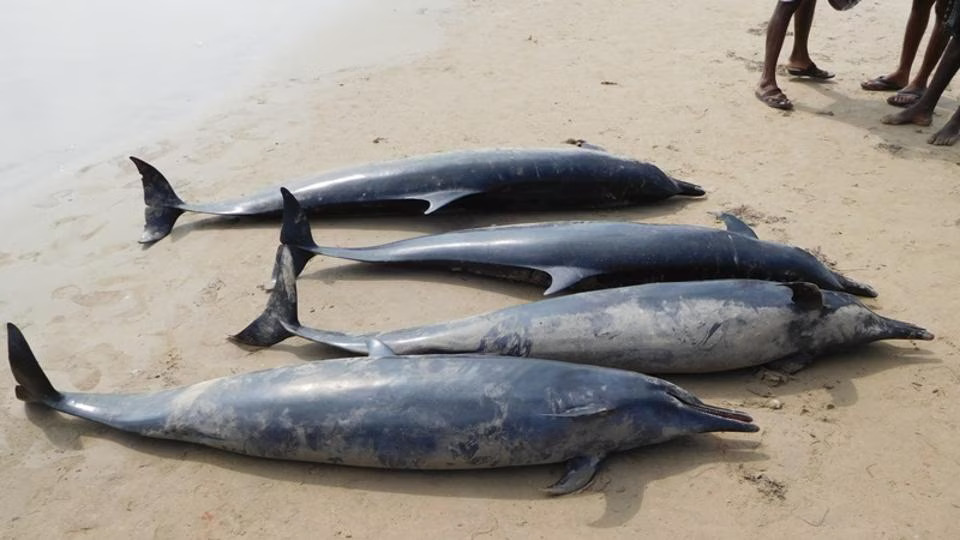
River dolphins are apex predators in freshwater ecosystems, and their presence indicates a clean and balanced aquatic system. Their survival depends on:
- Unpolluted water
- Adequate depth
- Minimal boat traffic
- Freedom from net entanglement and human interference
A successful rescue like the one in Mohanlalganj is not just about saving animals—it’s about maintaining aquatic biodiversity and the balance of riverine ecosystems.
Chapter 5: Challenges Faced During the Rescue
While the operation ended in success, it was not without its hurdles:
- Logistical Barriers: Transporting large aquatic mammals in summer heat required meticulous planning.
- Hydrological Complexity: The trapped area had uneven water depth, posing a risk of dolphin injury.
- Time Sensitivity: With each hour, oxygen levels dropped, increasing dolphin stress and reducing survival odds.
- Public Interference: Initial crowd buildup posed a threat to the smooth conduct of the operation.
The experience and dedication of the Avadh Forest team and Lucknow wildlife experts proved critical in overcoming these barriers.
Chapter 6: Statement from Forest Officials
In a press briefing, the Forest Officer in charge of the Avadh Division remarked:
“Our mission is to protect every life form. The rescue of these dolphins was a high-priority operation. We thank local villagers, wildlife experts, and all involved. This is a victory for nature.”
A senior officer from the Wildlife Institute of India, who monitored the operation, said:
“Gangetic dolphins are ecological treasures. The timely action by the team prevented what could have been a tragic loss.”
Chapter 7: Public Awareness and Responsibility
The dolphin rescue mission has sparked public interest and admiration across social media and news channels. However, it also raises critical points of reflection:
- Are our canal and dam operations being monitored for wildlife impact?
- Do villagers and fishermen know what to do if they spot stranded dolphins?
- Is there enough public awareness about India’s aquatic biodiversity?
This event should serve as a launchpad for educational campaigns, especially in riverine districts.
Chapter 8: Previous Dolphin Rescues in India
This isn’t the first dolphin rescue in India, but it’s one of the most coordinated and successful.
Previous notable incidents:
- 2019: Dolphin rescued from a canal in Bihar’s Bhagalpur district
- 2022: Odisha forest officials save a stranded dolphin in Mahanadi river
- 2023: National Dolphin Day observed with a rescue awareness drive in Assam
Each rescue is a testament to India’s growing conservation awareness and inter-agency collaboration.
Chapter 9: Role of Government and Policy
India has made several policy moves in favor of river dolphin conservation:
- Project Dolphin (2020): Launched by PM Narendra Modi to conserve dolphins across India’s rivers
- Namami Gange Mission: Indirectly benefits dolphin habitats by cleaning the Ganga
- Local task forces: In states like Uttar Pradesh, Bihar, and Assam to monitor dolphin movements
This latest rescue showcases the on-ground implementation of these top-level policies.
Chapter 10: What Lies Ahead – Recommendations and Future Path
While this rescue was successful, India must now consider long-term strategies to avoid future dolphin stranding cases:
1. Dolphin Movement Mapping
Satellite tracking and local surveys should be conducted to understand seasonal migration and risk zones.
2. Training for Local Communities
Fishermen and boat operators must be trained in dolphin safety protocols and first-response techniques.
3. Rescue Hotlines
24/7 dolphin emergency helplines in high-risk river zones.
4. Engineering Reviews
Water management bodies must coordinate with wildlife departments to avoid unnatural water cuts or blockages that could strand aquatic species.
5. Monitoring Post-Release
The released dolphins in Ghaghra river should be monitored for adaptation, health, and breeding success.
Conclusion: A Symbol of Hope and Humanity
The successful rescue of six Gangetic dolphins from Mohanlalganj is not just a headline—it’s a heartening narrative of compassion, coordination, and commitment to conservation.
In an age of environmental crises, these moments offer hope—hope that India’s natural heritage can be preserved, and that our national aquatic animal can continue to swim freely in the veins of the subcontinent.


https://shorturl.fm/9fnIC
https://shorturl.fm/A5ni8