
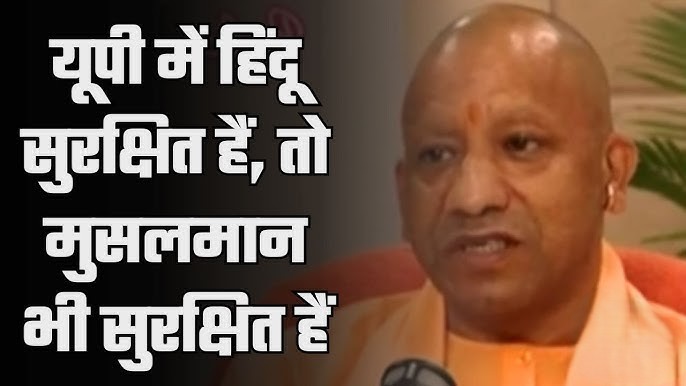
Yogi Adityanath On Communal Harmony In State
Introduction: A Statement That Resonates Across India
Yogi Adityanath In a country as diverse and multifaceted as India, communal harmony remains a pivotal concern, especially given its diverse religious, cultural, and linguistic makeup. The question of how different communities cohabit in peaceful coexistence has been a subject of intense debate and sometimes tension. However, there are also moments when political leaders offer statements that seek to bridge divides, promote unity, and build a sense of security and inclusivity among the people.
One such statement came from Uttar Pradesh Chief Minister Yogi Adityanath, which caught national attention when he claimed that Muslims in Uttar Pradesh are “safest among 100 Hindu families.” This remark, made by the Chief Minister during one of his public speeches, not only highlighted the state’s focus on communal harmony but also sparked a broader conversation about the situation of religious minorities, particularly Muslims, in the state and across the country. The statement evoked strong responses from various sections of society, with some praising it as a call for unity and others scrutinizing it from a critical lens.
In this blog, we will analyze the context of Yogi Adityanath’s statement, examine the current state of communal relations in Uttar Pradesh, and assess whether his comments reflect the broader reality of the state’s socio-political environment. Moreover, we will explore the challenges that religious minorities, particularly Muslims, face in the state, how the government has worked towards fostering unity, and whether such statements can lead to meaningful changes in the social fabric of Uttar Pradesh.
Understanding the Context: Yogi Adityanath’s Statement
Uttar Pradesh, as one of India’s most populous states, is home to a diverse range of communities, including Hindus, Muslims, Sikhs, and Christians. It also stands at the crossroads of several socio-political narratives that reflect the complexities of India’s religious fabric. The remark made by Chief Minister Yogi Adityanath, “Muslims in UP are safest among 100 Hindu families,” was issued in the context of his government’s efforts to showcase the state as one that ensures the safety, security, and well-being of all its residents, regardless of their religious affiliations.
Yogi Adityanath, who has been a controversial and polarizing figure in Indian politics, is known for his strong Hindutva ideology, which is often associated with the politics of religious identity and the assertion of Hindu supremacy. As the head of the Bharatiya Janata Party (BJP)-led government in Uttar Pradesh, Adityanath has overseen a government that, on one hand, promotes policies seen as pro-Hindu but, on the other hand, makes strategic moves to reassure minority communities, particularly Muslims, of their safety and rights under his leadership.
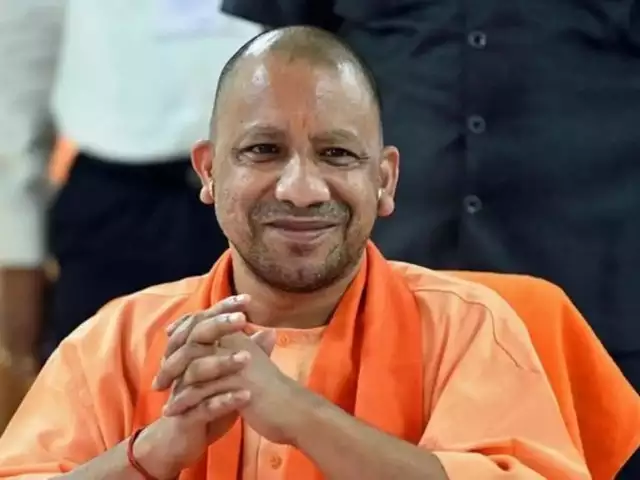
The claim that Muslims are “safest among 100 Hindu families” can be interpreted as an attempt to project Uttar Pradesh as a state that fosters religious harmony despite the political climate that sometimes stirs tensions. Adityanath’s government has, in recent years, focused on bringing about socio-economic development in the state while maintaining law and order, and this remark was likely intended to bolster the message that religious minorities, particularly Muslims, are protected under his rule.
The State of Communal Harmony in Uttar Pradesh
Uttar Pradesh, like much of India, has had a complicated history when it comes to communal relations between Hindus and Muslims. The state has witnessed several incidents of communal violence, including riots, clashes, and protests, which have left a deep scar on the communal fabric of society. In recent years, the state has experienced incidents that have tested the bonds of religious harmony. The political environment, with the rising influence of Hindutva politics, has often been at the center of these tensions, especially in the aftermath of the 2014 and 2019 general elections, when the BJP made significant inroads into the political landscape.
Yogi Adityanath himself, known for his strong Hindu nationalist stance, has often been accused of using rhetoric that deepens religious divides. His tenure as Chief Minister has seen both praise and criticism, with some applauding his efforts to implement development policies and others accusing his government of fostering an atmosphere of intolerance and promoting a one-sided narrative of Hindu nationalism. At the same time, his statements on Muslim safety and security in the state have been attempts to reassure the minority community in a state that has seen growing political polarization.
However, the question arises: Is Uttar Pradesh truly a place where Muslims are safer and more secure? This is a crucial issue, especially given the widespread reports of discrimination, attacks on religious minorities, and the communal violence that occasionally erupts in the state.
Yogi Adityanath’s Government and Initiatives for Communal Harmony
Despite the criticisms, the Adityanath government has implemented several initiatives aimed at improving the socio-economic condition of all communities in the state, including Muslims. These initiatives, although focused on development, have had implications for communal harmony as well. Some of these initiatives include:
- Development and Welfare Schemes: The state government has introduced a variety of welfare schemes aimed at promoting economic growth and providing support to marginalized communities. These include housing schemes for the poor, educational scholarships for students, and financial assistance to small businesses. Many of these initiatives have targeted Muslim-majority areas, with the goal of promoting inclusion and reducing poverty.
- Safety and Security: In terms of security, the Uttar Pradesh government has maintained a strict law-and-order approach, particularly following the rise of incidents of mob lynching and communal violence in various parts of the state. The Chief Minister has often emphasized his administration’s commitment to ensuring that every citizen, regardless of religion, feels safe in the state. However, critics argue that while law and order has been a priority, the state’s approach toward handling communal violence and dealing with the perceived rise of anti-Muslim sentiments has been uneven.
- Education and Empowerment: The government has also focused on improving the access to education, particularly for children from minority communities, with various schemes offering scholarships and educational support to Muslim students. Additionally, the state has taken steps to improve employment opportunities for youth, particularly in Muslim-dominated areas.
- Promoting Interfaith Dialogue: While the government has been criticized for its Hindu nationalist agenda, there have also been efforts to promote interfaith dialogue and peaceful co-existence. Adityanath himself has publicly stated on several occasions that his government is committed to ensuring peace and unity among all religious communities. The government’s efforts to host events celebrating festivals across all communities are seen as attempts to foster a sense of unity and reduce inter-community divisions.
Challenges Facing Muslims in Uttar Pradesh
Despite these government initiatives, Muslims in Uttar Pradesh, like in many parts of India, continue to face challenges related to communal violence, economic disparities, and marginalization. The issues of religious discrimination and inequality persist, and many Muslims feel that they are subjected to biased treatment in various areas such as education, employment, and political participation.
- Communal Violence: One of the major concerns for Muslims in Uttar Pradesh is the occasional outbreaks of communal violence, particularly in areas where religious tensions are high. Though the government has made efforts to prevent violence, incidents of riots, lynchings, and discrimination still occur. The 2013 Muzaffarnagar riots, in which dozens of people, mostly Muslims, were killed, are a stark reminder of the fragility of communal harmony in the state. In this context, some Muslims might not feel entirely safe, despite the government’s claims.
- Economic Disparities: Muslims, particularly in rural areas, often face economic challenges. Though the state government has implemented various welfare schemes, many Muslims continue to experience high levels of poverty, limited access to quality education, and a lack of employment opportunities. The lack of economic mobility has, in some cases, exacerbated feelings of alienation and insecurity.
- Perceptions of Bias: The perception among some sections of the Muslim community is that they are treated with bias by law enforcement agencies, political institutions, and even in everyday interactions with the majority Hindu community. This perception is especially true when it comes to matters of law and justice, where Muslims often feel marginalized. Issues such as the handling of protests, the targeting of specific Muslim groups in the name of national security, and the perceived lack of accountability for attacks on Muslims have contributed to a growing sense of disenfranchisement.
- Religious Identity and Politics: The growing emphasis on religious identity, particularly in the context of the politics of Hindutva, has created divisions in society. Muslims, in particular, have found themselves at the receiving end of divisive rhetoric that seeks to assert Hindu dominance. The politicization of religious identity has made it harder for Muslims to feel included in the broader national narrative.

The Impact of Yogi Adityanath’s Statement
Yogi Adityanath’s statement, “Muslims in UP are safest among 100 Hindu families,” is one that has stirred mixed emotions. While some have taken the statement at face value and praised the Chief Minister for reassuring Muslims in the state, others have questioned its authenticity and questioned whether it reflects the real experiences of Muslims in Uttar Pradesh.
For some, the statement may offer a sense of hope, especially those who feel that the government is working to foster communal peace. However, for others, the remark may seem more like political rhetoric designed to quell dissent rather than a genuine reflection of the situation on the ground. In a state like Uttar Pradesh, where communal tensions often flare up, assurances alone may not be enough to mitigate fears or eliminate the deep-rooted mistrust that exists between communities.
Conclusion: A Complex Path Ahead
Yogi Adityanath’s statement about the safety of Muslims in Uttar Pradesh touches on a broader issue of communal harmony and the safety of religious minorities in India. While his remarks may have been intended to reassure Muslims and highlight the state government’s commitment to their well-being, the reality on the ground is far more complex.
Muslims in Uttar Pradesh, like in many other parts of India, continue to face challenges related to safety, economic opportunity, and social integration. The state’s government, led by Yogi Adityanath, has taken steps to address these concerns, but the road to genuine communal harmony is still a long one. The effort to promote unity and peace must go beyond political statements and must be reflected in policy, governance, and the daily experiences of all communities.
In the end, achieving a truly inclusive society where all citizens—regardless of their religion—feel secure, valued, and equal, remains the ultimate goal. Whether Uttar Pradesh under Yogi Adityanath’s leadership can live up to this ideal will depend on its ability to address the underlying issues of inequality, discrimination, and communal tension, and to create a society where every citizen can live in peace, free from fear and division.
read more latest news

