
Cases of Guillain-Barré Syndrome Rise to 73 in Pune: Understanding the Rare Neurological Disorder
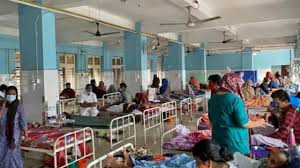
The city of Pune has recently reported a concerning increase in cases of Guillain-Barré Syndrome (GBS), with 73 confirmed patients identified Syndrome. This rare neurological condition has alarmed medical experts and the general public alike due to its sudden onset and potential for severe complications. In this article, we delve into what GBS is, its causes, symptoms, diagnosis, treatment options, and the implications of the rising cases in Pune.
What Is Guillain-Barré Syndrome?
Guillain-Barré Syndrome (GBS) is a rare autoimmune disorder in which the body’s immune system mistakenly attacks the peripheral nervous system. This network of nerves is responsible for transmitting signals between the central nervous system (the brain and spinal cord) and the rest of the body.
Key Characteristics of Guillain-Barré Syndrome:
- Rapid Onset: Symptoms often develop within days or weeks of an initial infection.
- Progressive Weakness: Starts in the legs and may spread to the arms and upper body, sometimes leading to paralysis.
- Reversibility: While most patients recover fully, some may experience long-term nerve damage.
Causes and Triggers
The exact cause of Guillain-Barré Syndrome is unknown, but it is often triggered by an immune response to an infection. In some cases, vaccinations, surgeries, or other medical conditions can also act as triggers.
Common Triggers:
- Infections:
- Campylobacter jejuni: A bacterial infection often associated with contaminated food or water.
- Viral Infections: Influenza, Epstein-Barr virus, Zika virus, and cytomegalovirus.
- Vaccinations: Rarely, vaccines for flu or COVID-19 have been associated with GBS, although the risk is minimal.
- Surgical Procedures or Trauma: Can occasionally precede the onset of Guillain-Barré Syndrome.
Why Pune?
Health officials are investigating whether the increase in cases is linked to a specific local outbreak, environmental factors, or a common infectious agent such as Campylobacter or a viral epidemic.
Symptoms of Guillain-Barré Syndrome
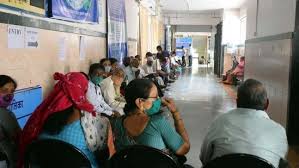
GBS symptoms vary in severity and can escalate rapidly. Early diagnosis is crucial to managing the condition effectively.
Initial Symptoms:
- Tingling or “pins and needles” sensations in the hands and feet.
- Weakness starting in the legs and progressing upwards.
- Difficulty walking or maintaining balance.
Progressive Symptoms:
- Muscle weakness spreading to the arms and facial muscles.
- Difficulty with eye movement, speech, or swallowing.
- Severe back pain.
Severe Cases:
- Paralysis of respiratory muscles, requiring ventilator support.
- Heart rhythm abnormalities.
- Difficulty in blood pressure regulation.
Diagnosis of Guillain-Barré Syndrome
Diagnosing GBS involves a combination of clinical evaluation, medical history review, and diagnostic tests.
Diagnostic Tests:
- Lumbar Puncture (Spinal Tap): Tests cerebrospinal fluid for elevated protein levels, a common indicator of GBS.
- Electromyography (EMG): Assesses the electrical activity of muscles and nerves.
- Nerve Conduction Studies (NCS): Measures the speed and strength of nerve signals.
- Blood Tests: To rule out other causes of neuropathy or infections.
Treatment Options
While there is no cure for GBS, early treatment can significantly improve outcomes and reduce recovery time.
Primary Treatment Methods:
- Intravenous Immunoglobulin (IVIG):
- Blocks the damaging antibodies causing nerve damage.
- Administered over several days.
- Plasmapheresis (Plasma Exchange):
- Removes antibodies from the bloodstream.
- Often used in severe cases.
- Supportive Care:
- Mechanical ventilation for respiratory failure.
- Physical therapy to maintain muscle strength and mobility.
- Pain management.
Recovery and Long-Term Outlook
The majority of GBS patients recover fully within six months to two years. However, recovery can be slow and varies from person to person.
Prognosis:
- Full Recovery: About 70% of patients.
- Partial Recovery: Some patients may experience residual weakness or nerve damage.
- Severe Cases: A small percentage may face long-term disabilities.
Rehabilitation:
Physical therapy and occupational therapy play a crucial role in helping patients regain strength and independence.
Rising Cases in Pune: An Investigation
The sudden rise in GBS cases in Pune has prompted a thorough investigation by healthcare authorities. Preliminary reports suggest the possibility of a link to recent infections in the area, though further research is ongoing.
Possible Factors:
- Infectious Outbreak: A surge in bacterial or viral infections could be the root cause.
- Environmental Concerns: Contaminated water or food may have contributed to the rise.
- Increased Awareness and Reporting: More cases may be identified due to better diagnostic tools and awareness.
Steps Taken:
- The local government has issued advisories to ensure the safety of drinking water and food.
- Hospitals have been directed to enhance diagnostic and treatment capacities for GBS.
- Public awareness campaigns are being conducted to educate citizens about early symptoms.
Preventive Measures
While GBS cannot always be prevented, certain precautions can minimize the risk of triggering infections.
Tips to Reduce Risk:
- Practice Good Hygiene:
- Wash hands regularly.
- Avoid contaminated food and water.
- Vaccination Awareness:
- Get vaccinated against preventable infections, but consult a doctor if you have a history of GBS.
- Seek Early Medical Attention:
- Promptly treat any infections or unusual symptoms.
Conclusion
The rise of Guillain-Barré Syndrome cases in Pune underscores the importance of vigilance and prompt medical care. While the condition remains rare, its potential severity calls for increased awareness and proactive measures. As healthcare authorities work to identify the root causes, it is crucial for individuals to be informed about the symptoms, risks, and treatment options associated with this rare neurological disorder.
Read More latest News

