
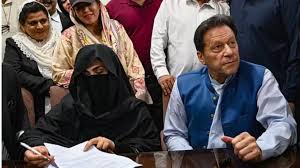
Former Pakistan PM Imran Khan Sentenced to 14 Years Jail in Al-Qadir Trust Case
Imran Khan In a landmark judgment that has sent shockwaves across Pakistan’s political landscape, former Prime Minister Imran Khan was sentenced to 14 years in prison in connection with the Al-Qadir Trust corruption case. The case, involving allegations of financial irregularities and misuse of public office, marks a significant moment in the country’s ongoing struggle to hold its leaders accountable for corruption.
This comprehensive report delves into the details of the case, its legal proceedings, the political ramifications, and the reactions it has sparked both domestically and internationally.
Imran Khan The Al-Qadir Trust Case: Background and Allegations
The Al-Qadir Trust case revolves around the establishment of a charitable organization allegedly used for personal financial gains by Imran Khan and his wife, Bushra Bibi. The trust, originally set up to promote education and welfare, is alleged to have received massive funds from questionable sources, including business tycoons and foreign entities, in exchange for political favors.
Key Allegations
- Misappropriation of Funds: The National Accountability Bureau (NAB) accused Khan of diverting funds meant for the trust into personal accounts.
- Land Procurement Scandal: Large tracts of land were reportedly allocated to the trust by the government at throwaway prices, allegedly under Khan’s directives.
- Conflict of Interest: Khan, while serving as Prime Minister, allegedly facilitated a deal benefiting a prominent real estate magnate, who later made substantial donations to the trust.
- Non-Disclosure of Assets: The former PM failed to declare assets linked to the trust, raising concerns about transparency.
Imran Khan The Trial: Legal Proceedings and Evidence
Investigative Timeline
The investigation into the Al-Qadir Trust began in 2022, shortly after Imran Khan was ousted from office through a no-confidence motion. The NAB initiated a probe following media reports and whistleblower accounts pointing to irregularities.
Court Hearings
The trial, held in an Islamabad accountability court, lasted for over a year, during which:
- Prosecutors presented financial records, witness testimonies, and documents linking Khan to the alleged corruption.
- Defense lawyers argued that the trust operated transparently and that Khan was being politically targeted.
- Key witnesses, including former government officials, testified against Khan, detailing how political favors were exchanged for donations.
Imran Khan Judgment
The court found Khan guilty on multiple counts, including:
- Abuse of power.
- Misappropriation of public funds.
- Failure to disclose assets.
The presiding judge sentenced him to 14 years in prison and imposed a fine of PKR 200 million. Bushra Bibi was acquitted due to insufficient evidence directly implicating her.

Imran Khan’s Response
In a statement released through his legal team, Khan called the judgment a “travesty of justice” and vowed to appeal the decision. He alleged that the trial was politically motivated and aimed at silencing his dissent against the ruling establishment.
Support from PTI
The Pakistan Tehreek-e-Insaf (PTI), the party founded by Khan, held protests across the country, accusing the judiciary and the government of orchestrating a witch hunt. PTI leaders claimed the verdict was part of a broader conspiracy to dismantle the party’s leadership ahead of the upcoming general elections.
Political Ramifications
The sentencing of a former Prime Minister is unprecedented in Pakistan’s history and carries significant political implications.
Impact on PTI
- Leadership Crisis: With Khan behind bars, PTI faces a leadership vacuum. Speculation is rife about who will lead the party in his absence.
- Election Strategy: The sentencing casts uncertainty over PTI’s participation in the next general elections, as Khan’s incarceration disqualifies him from holding public office.
Boost for Rivals
The ruling coalition, led by Prime Minister Shehbaz Sharif, is expected to capitalize on Khan’s downfall. The government has portrayed the verdict as a victory for accountability and the rule of law.
Public Sentiment
Public opinion remains divided. While many view the sentencing as a necessary step toward curbing corruption, Khan’s supporters believe he is a victim of political persecution.
International Reactions
The international community has closely followed the developments surrounding Imran Khan’s case.
Western Nations
The United States and European Union have expressed concern about the implications of the verdict for Pakistan’s democratic process. A joint statement from the EU called for transparency and due process, urging Pakistan to ensure that the judiciary remains impartial.
Neighboring Countries
India and Afghanistan have refrained from commenting officially but are reportedly monitoring the situation closely, given its potential impact on regional stability.
Global Human Rights Organizations
Amnesty International and Human Rights Watch have raised questions about the fairness of the trial, citing reports of judicial bias and lack of access to a robust defense for Khan.
Reactions from the Public and Media
Public Protests
Protests erupted in major cities, including Islamabad, Lahore, and Karachi, with PTI supporters demanding Khan’s release. The demonstrations have been largely peaceful so far, but security forces remain on high alert.
Media Coverage
The case has dominated headlines across Pakistan. While pro-government outlets have lauded the verdict as a step toward accountability, independent and opposition-aligned media have highlighted concerns about political interference in the judiciary.
The Broader Context: Corruption in Pakistan
Imran Khan’s sentencing is the latest in a series of high-profile corruption cases involving Pakistani politicians. The country has long struggled with systemic corruption, which has eroded public trust in institutions.
Other Notable Cases
- Nawaz Sharif: The former Prime Minister was similarly convicted in a corruption case and served time before leaving for medical treatment abroad.
- Asif Ali Zardari: The former President faced multiple graft charges, some of which are still pending.
Challenges to Accountability
Experts argue that while high-profile convictions generate headlines, they rarely lead to systemic change. Issues such as weak institutions, political interference, and lack of enforcement continue to hinder anti-corruption efforts.
What’s Next for Imran Khan?
Legal Appeal
Khan’s legal team has announced plans to challenge the verdict in the Islamabad High Court. If unsuccessful, the case could eventually reach the Supreme Court.
Political Strategy
Despite his incarceration, Khan is likely to remain a central figure in Pakistan’s political discourse. PTI has vowed to keep his legacy alive, and Khan’s charisma and public support could make him a potent symbol of opposition.
Potential Pardons
Some analysts speculate that a future government might grant Khan a pardon or commute his sentence as part of a political compromise, a common practice in Pakistan’s tumultuous political history.
Conclusion
The sentencing of former Prime Minister Imran Khan in the Al-Qadir Trust case marks a pivotal moment in Pakistan’s political and judicial landscape. While the verdict has been hailed as a win for accountability, it also raises questions about the impartiality of the judicial system and the broader implications for Pakistan’s democracy.
As the nation grapples with this development, the focus will remain on the legal appeals, public response, and the broader impact on Pakistan’s already volatile political environment. Whether this case becomes a turning point in the fight against corruption or another chapter in the country’s cycle of political vendettas remains to be seen.
Read more Latest news

