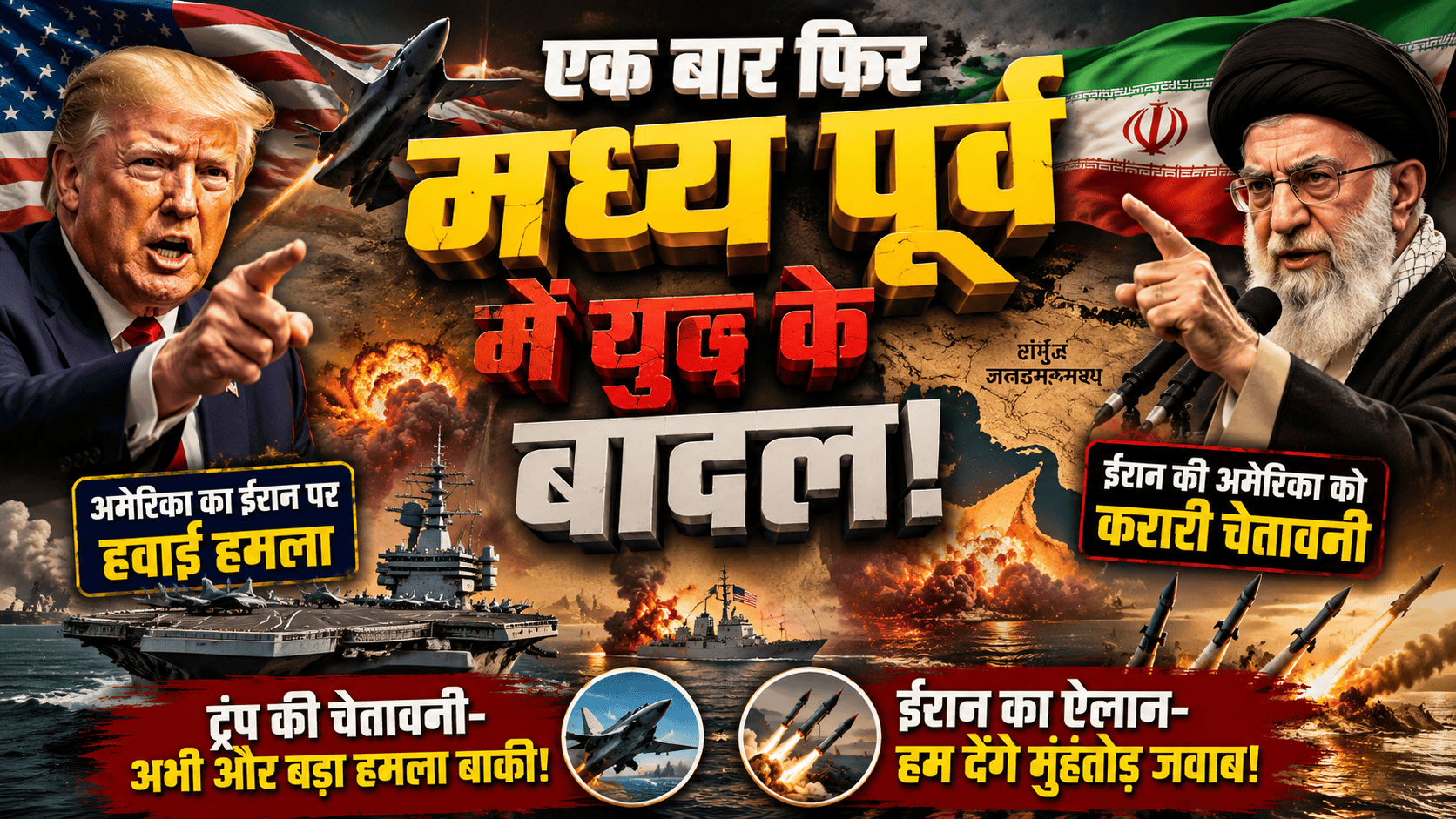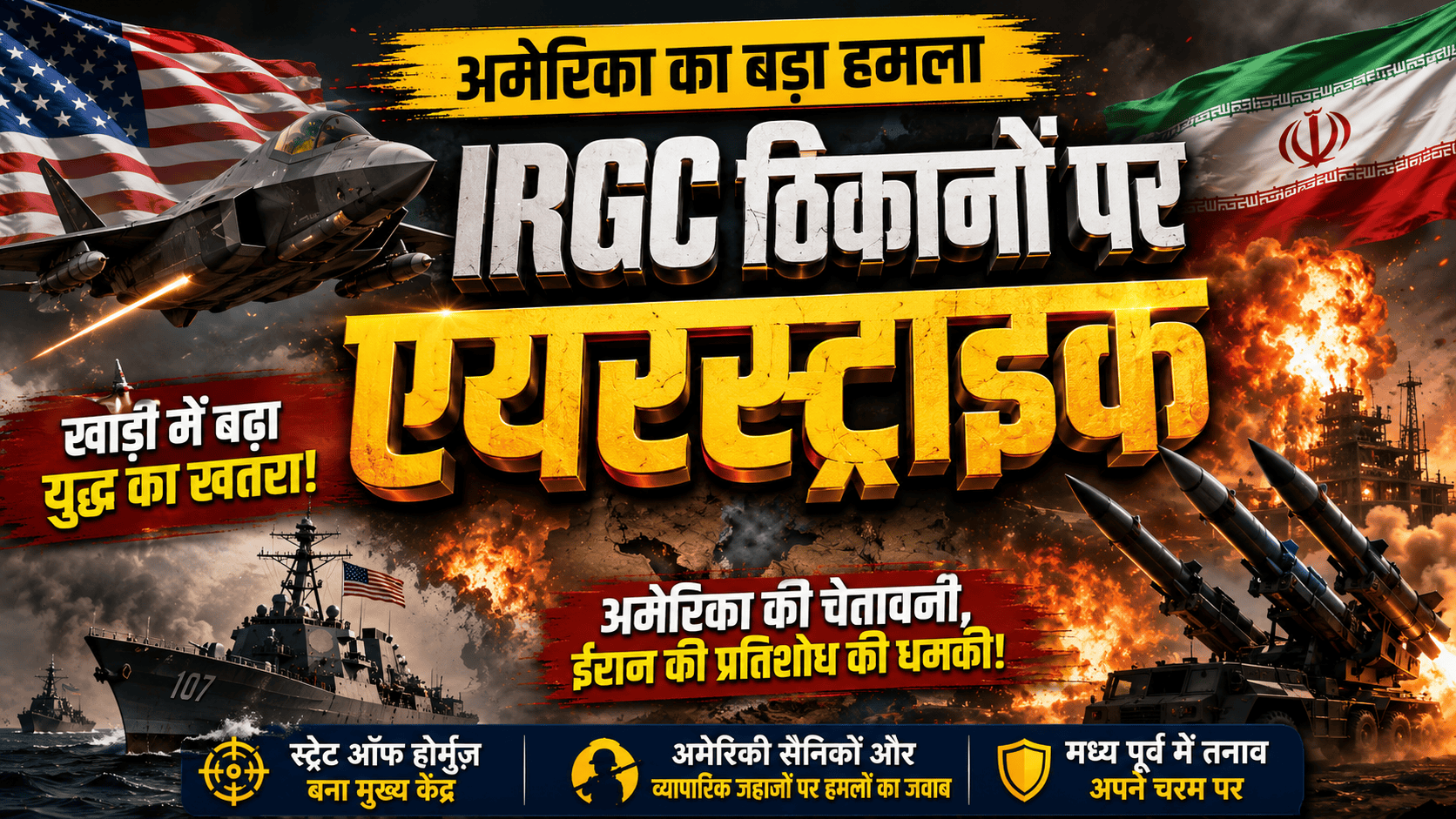
Airstrikes Were Carried Out on IRGC Positions: US-Iran Tensions Escalate Again
Airstrikes were carried out on IRGC positions, marking another serious escalation in the confrontation between the United States and Iran. The latest military action has increased fears that the fragile diplomatic environment surrounding the conflict could collapse completely. According to the U.S. Central Command, American forces completed a new wave of strikes against Iranian military targets on September 1, including air-defense sites, radar systems, maritime assets, mine-laying capabilities, and communications facilities. The United States said the operation followed recent attempted attacks by Iran’s Islamic Revolutionary Guard Corps against commercial shipping in the Strait of Hormuz and American service members in the region.
Airstrikes were carried out on IRGC positions, and the development is especially significant because Washington and Tehran have been involved in diplomatic discussions aimed at reducing tensions and addressing the broader conflict. Instead of producing immediate stability, the latest military exchange has demonstrated how quickly negotiations can be overshadowed by events on the battlefield. The strikes came at a moment when the region was already facing severe security and economic pressure.
Strait of Hormuz Becomes the Main Flashpoint
The Strait of Hormuz has become the central focus of the latest confrontation. This narrow waterway is one of the world’s most important energy corridors, and disruptions there can affect international oil supplies, shipping insurance, freight costs, and fuel prices.
U.S. maritime authorities have warned that risks to commercial vessels remain high because Iranian forces have used or threatened missiles, armed drones, unmanned surface vessels, and other capabilities against shipping.
Airstrikes were carried out on IRGC positions after Washington said Iranian forces had attempted to attack commercial vessels and U.S. troops. From the American perspective, the strikes were intended to reduce military capabilities that could threaten shipping and personnel. CENTCOM said the targets included systems and facilities supporting Iran’s ability to operate around the waterway.
For Iran, Airstrikes were carried out on IRGC positions and the American military operation represents another major act of pressure. Tehran has repeatedly rejected American attempts to impose military or economic conditions and has emphasized its right to respond to attacks. This creates the possibility of a retaliatory cycle in which every strike produces another response, making diplomacy increasingly difficult.

Conflict Threatens to Expand
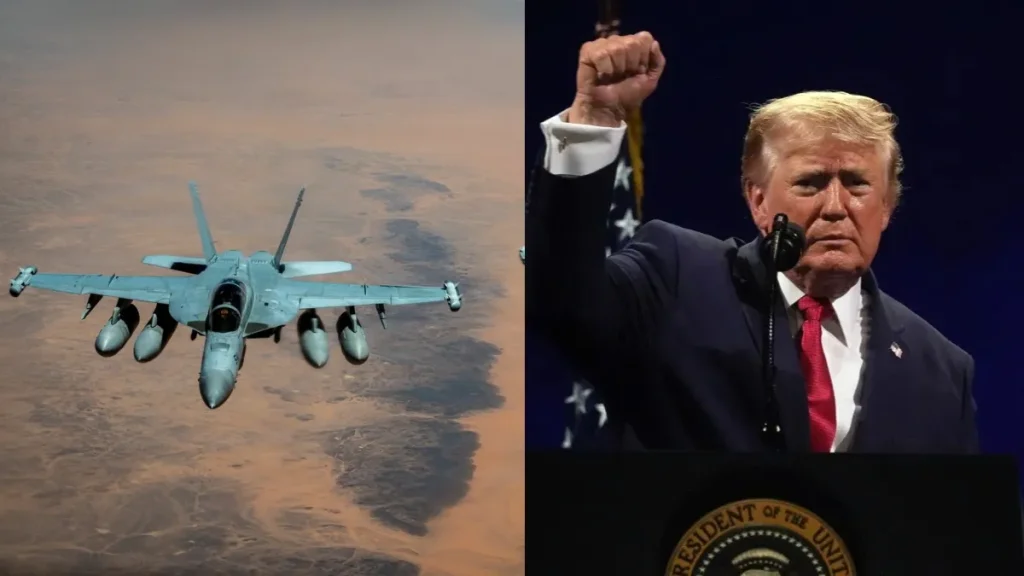
Airstrikes were carried out on IRGC positions while the wider conflict was already showing signs of renewed instability. Recent attacks and counterattacks have involved military installations, maritime infrastructure, and strategic locations around the region. Reports indicate that Iran has also launched attacks against U.S. interests in parts of the Middle East following the latest American operations.
Airstrikes were carried out on IRGC positions, and one of the biggest concerns is the potential impact on global energy markets. The Strait of Hormuz carries enormous volumes of oil and other energy products. Any prolonged disruption could push crude prices higher and increase costs for countries dependent on imported energy. Reuters reported that oil prices rose sharply on September 1 as traders reacted to renewed U.S.-Iran fighting and the possibility of supply disruptions.
Airstrikes were carried out on IRGC positions with the stated objective of countering threats, but the consequences could extend far beyond the immediate military targets. A prolonged confrontation could affect airlines, shipping companies, manufacturers, consumers, and governments. Higher energy costs can contribute to inflation, while uncertainty can reduce investment and increase pressure on financial markets.
Why the IRGC Is Important
The Islamic Revolutionary Guard Corps is a major component of Iran’s security and military structure, with capabilities covering missiles, drones, naval operations, intelligence, and regional networks. Targeting its facilities therefore carries a much greater political message than an isolated strike on a minor military site.
Airstrikes were carried out on IRGC positions across a range of military capabilities, according to CENTCOM. The American statement said more than 50,000 U.S. service members are operating across the Middle East and remain prepared for further operations. That large American presence means any Iranian retaliation could potentially involve multiple locations and increase the chances of a wider confrontation.
Diplomacy Faces a Major Test
Diplomacy remains important despite the escalation. The existence of talks means there is still a possible pathway toward reducing hostilities. However, successful negotiations require both sides to avoid actions that make compromise politically or strategically impossible. The latest attacks make that task considerably harder.
Airstrikes were carried out on IRGC positions after the United States said it was responding to attacks against commercial shipping and American personnel. Washington has presented its actions as a defensive response designed to protect freedom of navigation and U.S. forces. Iran is likely to view the same events through a completely different lens, seeing them as evidence of continued American military intervention.
The situation also creates pressure on regional governments. Countries around the Persian Gulf have a direct interest in keeping the Strait of Hormuz open and preventing attacks from reaching their territory. They must balance relations with Washington, concerns about Iran, and the economic necessity of maintaining stable energy exports.
Airstrikes were carried out on IRGC positions at a time when the possibility of further retaliation remains high. A major Iranian response could lead to additional American strikes, while another U.S. operation could prompt Tehran to expand its military activities. Such a cycle could quickly turn a limited confrontation into a broader regional crisis.
Humanitarian and Economic Concerns
Airstrikes were carried out on IRGC positions, and the humanitarian consequences should not be overlooked. Military escalation can place civilians at risk, particularly when strikes occur near populated areas or critical infrastructure. Beyond immediate casualties, prolonged conflict can create displacement, disrupt electricity and transport, damage economic activity, and make essential goods more expensive.
Airstrikes were carried out on IRGC positions, but the broader issue is whether military pressure can achieve lasting security. History suggests that military action alone rarely resolves deep political disagreements. Without a diplomatic framework, strikes may temporarily reduce a particular military capability while leaving the underlying dispute unresolved.
The international community has a strong interest in preventing further escalation. European governments, Gulf states, Asian energy-importing countries, and international organizations all have reasons to encourage restraint. Even countries that are not directly involved could face higher fuel prices and economic uncertainty if the Strait of Hormuz becomes unsafe.
What Happens Next?
Airstrikes were carried out on IRGC positions, and the latest development has again placed U.S.-Iran relations at the center of global attention. The coming days will be crucial. If both sides step back, negotiations may still provide a route toward de-escalation. If retaliation continues, however, the conflict could become more difficult to contain.
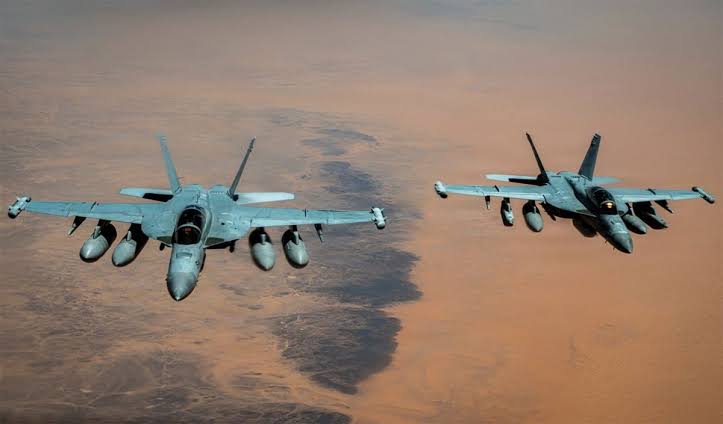
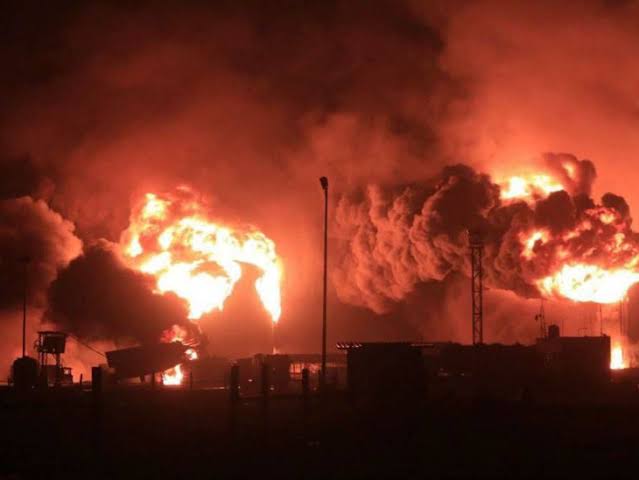
Ultimately, Airstrikes were carried out on IRGC positions is not only a headline about another military operation. It represents a warning about the fragile balance between diplomacy and war in the Middle East. The security of commercial shipping, the stability of global energy markets, and the safety of thousands of military personnel are now closely connected to decisions being made in Washington and Tehran.
As the situation develops, the most important question will be whether the latest exchange remains limited or becomes the beginning of a much wider confrontation. The United States says its strikes are intended to protect its forces and international shipping, while Iran has consistently signaled that it will resist military pressure. The outcome will depend on the next decisions taken by both governments and the ability of regional and international actors to create space for diplomacy. Airstrikes were carried out on IRGC positions therefore remain a major development with potentially far-reaching consequences for regional security and the global economy.
Read more latest news