
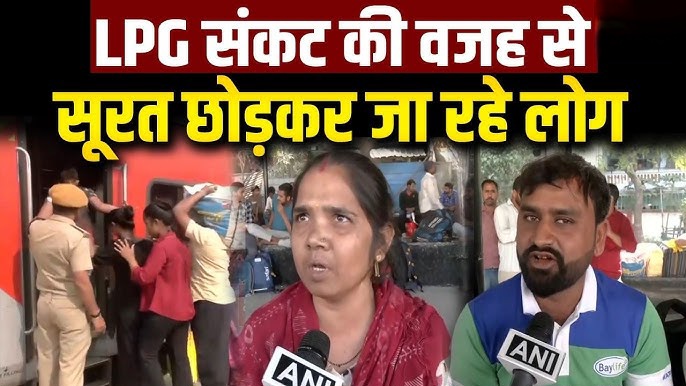
LPG Crisis Disrupts Lives: Workers Returning from Surat Face Uncertainty
The LPG crisis has hit workers returning from Surat in ways that go beyond fuel shortages, impacting livelihoods, travel, and daily survival.
The recent LPG shortage across parts of India has begun to affect not just households, but also migrant workers who form the backbone of the country’s informal economy. In particular, the situation in Surat, a major textile and industrial hub, has drawn attention as thousands of workers head back to their home states.
Surat has long been a magnet for workers from North Indian states such as Uttar Pradesh, Bihar, and Jharkhand. These workers rely heavily on affordable living conditions, including access to subsidized LPG cylinders. However, the ongoing crisis has disrupted this fragile ecosystem. As the LPG crisis has hit workers returning, many are finding it difficult to manage even basic cooking needs during their journey and after reaching their hometowns.
The Scale of Migration from Surat
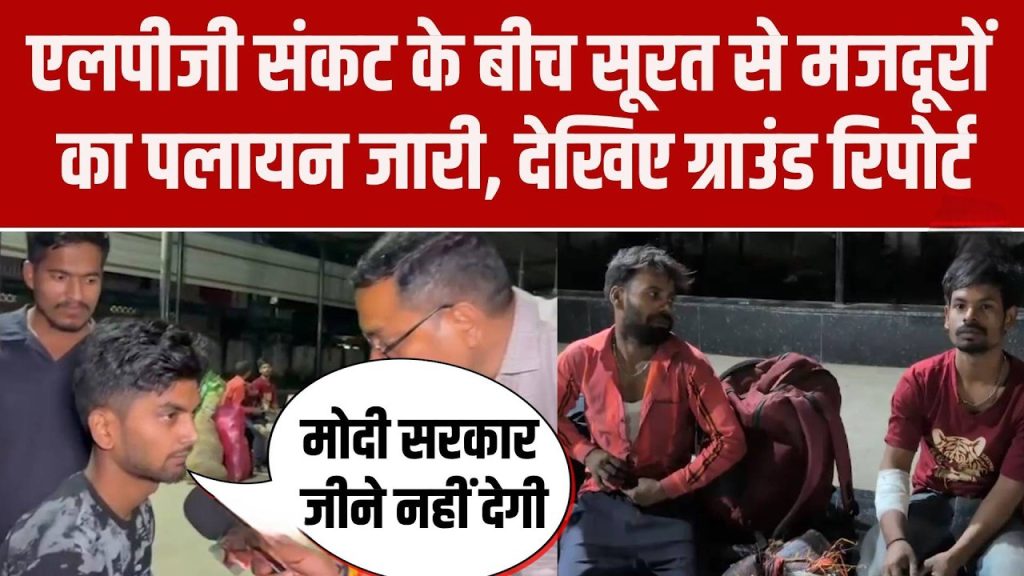
Every year, thousands of workers travel back to their native places for festivals, seasonal breaks, or due to economic uncertainties. This year, however, the exodus appears more distress-driven than usual. With industries slowing down and essential services becoming unreliable, the LPG crisis has hit workers returning in unprecedented ways.
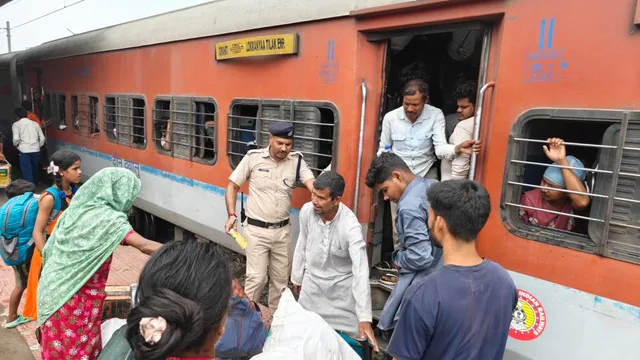
On the transportation front, railway authorities ensured that several trains departed from Udhna Junction on schedule. These included regular as well as special trains catering to North Indian routes. Despite smooth train operations, the ground reality remains grim because the LPG crisis has hit workers returning, making their journey uncomfortable and uncertain.
Impact on Daily Life
Cooking gas is a basic necessity, especially for migrant workers who often live in shared accommodations. Without LPG, preparing meals becomes a daily struggle. Many workers have resorted to makeshift arrangements like firewood or kerosene stoves, which are not only inconvenient but also unsafe. Clearly, the LPG crisis has hit workers returning in a way that affects their dignity and health.
For workers traveling long distances, access to cooked food is limited. Railway stations and trains may offer food, but affordability becomes an issue for low-income migrants. As a result, the LPG crisis has hit workers returning by increasing their dependency on expensive alternatives.
Economic Burden
The financial strain caused by the LPG shortage cannot be ignored. Many workers are already facing reduced incomes due to inconsistent work opportunities. The additional burden of buying food from outside or arranging alternative cooking fuels further complicates their situation. It is evident that the LPG crisis has hit workers returning not just physically, but economically as well.
Moreover, delays in LPG supply have led to black-market practices in some regions, where cylinders are sold at inflated prices. Workers who can barely afford their daily expenses are forced to either pay more or go without. This again highlights how deeply the LPG crisis has hit workers returning from industrial hubs like Surat.
Travel Experience Amid Crisis
Despite the challenges, trains from Udhna operated on time, showcasing efficient coordination by the railways. However, timely trains cannot compensate for the hardships caused by lack of essential resources. Many passengers carried dry food for the journey, knowing well that the LPG crisis has hit workers returning and limited their ability to cook or access affordable meals.
Inside the trains, stories of struggle are common. Families traveling together share food sparingly, while single workers try to stretch their limited supplies. Conversations often revolve around rising costs and uncertain futures, reflecting how the LPG crisis has hit workers returning in deeply personal ways.
Challenges in Home States
The problem does not end once workers reach their hometowns. Rural areas are also experiencing LPG shortages, albeit for different reasons such as supply chain disruptions and increased demand. Consequently, the LPG crisis has hit workers returning even after their journey ends.
In villages, many households depend on government-subsidized LPG schemes. Delays in cylinder delivery mean that returning workers must adapt quickly to traditional cooking methods, which may not always be feasible. This transition underscores yet again how the LPG crisis has hit workers returning across multiple stages of their journey.
Health and Safety Concerns
Using alternative fuels like wood or coal can have serious health implications, particularly in poorly ventilated spaces. Women and children are especially vulnerable to respiratory issues caused by smoke inhalation. For migrant workers already dealing with stress and fatigue, these risks are significant. Clearly, the LPG crisis has hit workers returning in ways that extend to public health.
Additionally, unsafe cooking methods increase the risk of accidents and fires. In densely populated worker accommodations, a small mishap can lead to major incidents. This adds another layer of concern, reinforcing how the LPG crisis has hit workers returning beyond just inconvenience.
Government Response and Policy Gaps
Authorities have acknowledged the LPG shortage and are working to stabilize supply chains. However, immediate relief for affected workers remains limited. While transportation has been managed efficiently, essential services like fuel supply need urgent attention. The fact remains that the LPG crisis has hit workers returning due to gaps in policy implementation and crisis management.
Experts suggest that targeted interventions, such as temporary cooking facilities at transit points or subsidized meal programs, could help alleviate the situation. Without such measures, the LPG crisis has hit workers returning will continue to worsen.
Role of Employers and Industry
Industrial units in Surat have a responsibility toward their workforce. Providing basic amenities, including cooking facilities, could significantly reduce the impact of the crisis. Unfortunately, not all employers have stepped up, leaving workers to fend for themselves. This lack of support further highlights how the LPG crisis has hit workers returning without adequate institutional backing.
Some organizations and NGOs have initiated community kitchens and relief programs. While these efforts are commendable, they are not sufficient to address the scale of the problem. The widespread nature of the issue shows that the LPG crisis has hit workers returning across sectors and regions.
Social Implications
Migration is not just an economic activity; it has deep social implications. When workers return home under distress, it affects entire communities. Families that depend on remittances face financial instability, while local economies struggle to absorb the returning workforce. In this context, the LPG crisis has hit workers returning becomes part of a larger socio-economic challenge.
Moreover, the crisis exposes vulnerabilities in urban planning and resource management. Cities like Surat rely heavily on migrant labor but often lack the infrastructure to support them during emergencies. This systemic issue is evident as the LPG crisis has hit workers returning without adequate safety nets.
Looking Ahead
Addressing the LPG shortage requires coordinated efforts from multiple stakeholders, including government agencies, private sector players, and civil society organizations. Ensuring consistent supply, regulating prices, and providing interim relief measures are crucial steps. Until then, the LPG crisis has hit workers returning will remain a pressing concern.
Long-term solutions could include diversifying energy sources, improving supply chain resilience, and strengthening social security systems for migrant workers. These measures would not only mitigate current challenges but also prevent similar crises in the future.
Conclusion
The ongoing LPG shortage has highlighted the fragile conditions under which migrant workers live and travel. While trains from Udhna have operated smoothly, ensuring that workers can return home, the journey itself has been marked by hardship. From economic strain to health risks, the LPG crisis has hit workers returning in multiple dimensions.
As India continues to grow economically, the well-being of its workforce must remain a priority. Addressing essential needs like cooking fuel is not just a matter of convenience but of basic human dignity. The stories emerging from Surat serve as a reminder that development must be inclusive and resilient.
Ultimately, the LPG crisis has hit workers returning is not just a temporary issue but a call to action for systemic change. By learning from this situation and implementing effective solutions, the country can ensure that its workers are better protected in the face of future challenges.
Read more latest news

