

Amid Global Oil and Gas Crisis, India Activates Plan B to Strengthen Alternative Supply Chains
To mitigate the impact in India, the government has been working on reducing this dependency through strategic diversification and investments in alternative energy sources.
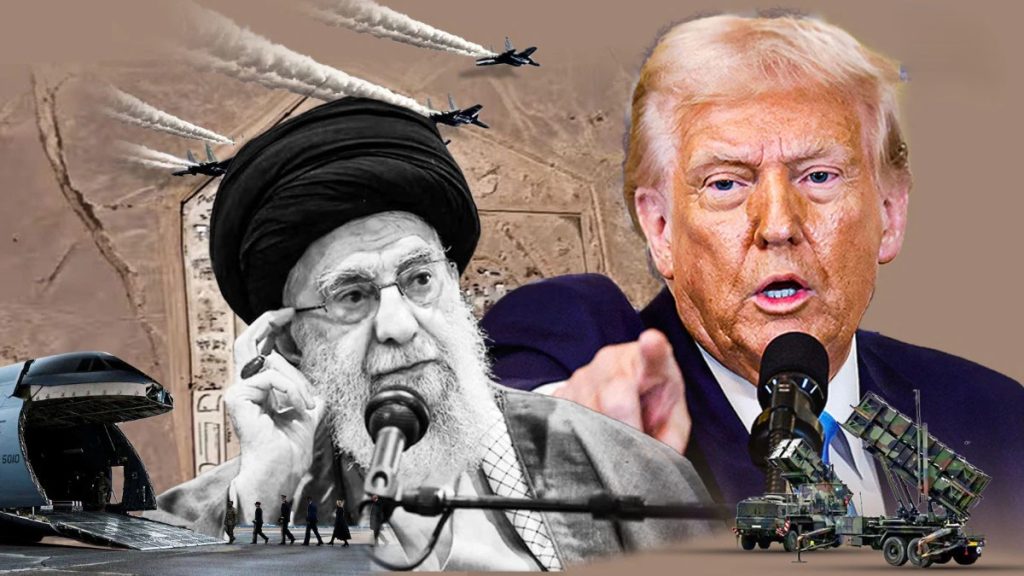
The ongoing tensions surrounding the US-Iran war have once again shaken the global energy landscape. With no immediate signs of de-escalation, the ripple effects are being felt across continents. One of the most critical flashpoints in this crisis is the Strait of Hormuz, a narrow yet vital waterway through which a significant portion of the world’s oil supply passes.
As disruptions intensify, nations heavily dependent on oil imports are scrambling to secure supplies and stabilize their economies. India, one of the world’s largest energy consumers, has responded swiftly by activating a comprehensive contingency strategy—commonly referred to as “Plan B”—to mitigate the impact in India.
Understanding the Global Crisis
The Strait of Hormuz serves as a lifeline for global oil trade. Nearly 20% of the world’s petroleum flows through this route, making it one of the most strategically important maritime corridors. Any disruption here sends shockwaves through international markets.
The escalation in the US-Iran conflict has led to partial blockages and heightened risks for oil tankers navigating the region. Insurance premiums have surged, shipping routes have become unpredictable, and supply chains have been severely strained.
For countries like India, which import over 80% of their crude oil, such disruptions pose a serious threat. Recognizing this vulnerability, policymakers have prioritized efforts to mitigate the impact in India by diversifying supply sources and strengthening domestic preparedness.
India Energy Dependence A Strategic Challenge
India’s rapid economic growth has been accompanied by an equally rapid increase in energy demand. From transportation to manufacturing, oil and gas play a central role in powering the nation.
Historically, a significant portion of India’s oil imports has come from the Middle East, including countries affected by the current conflict. This dependence has made India particularly susceptible to geopolitical tensions in the region.
To mitigate the impact in India, the government has been working on reducing this dependency through strategic diversification and investments in alternative energy sources.
Activation of Plan B A Proactive Approach
The government’s Plan B is a multi-pronged strategy designed to ensure energy security even in the face of global disruptions. This plan includes:
- Diversifying crude oil import sources
- Increasing strategic petroleum reserves
- Enhancing domestic production
- Accelerating renewable energy adoption
Each of these measures plays a crucial role in helping mitigate the impact in India.
Diversification of Oil Supply
One of the key components of India’s strategy is to diversify its oil import portfolio. Instead of relying heavily on a single region, India has expanded its sourcing to include countries in Africa, North America, and Latin America.
This approach reduces the risk associated with geopolitical instability in any one region. By establishing new trade partnerships, India aims to mitigate the impact in India caused by disruptions in traditional supply routes.
Strategic Petroleum Reserves A Safety Net
India has been steadily building its strategic petroleum reserves (SPR) to cushion against supply shocks. These reserves act as a buffer, allowing the country to maintain supply even during temporary disruptions.
In the current crisis, the availability of these reserves has been instrumental in helping mitigate the impact in India. The government has also explored options to expand storage capacity further, ensuring long-term resilience.
Strengthening Domestic Production
While India’s domestic oil production meets only a fraction of its demand, efforts are underway to boost output. Policy reforms, technological advancements, and increased investments are aimed at enhancing production capabilities.
By reducing reliance on imports, India can better mitigate the impact in India during global crises. Although achieving self-sufficiency remains a long-term goal, incremental improvements can make a significant difference.
Renewable Energy: The Long-Term Solution
The crisis has underscored the importance of transitioning to renewable energy sources. Solar, wind, and hydroelectric power offer sustainable alternatives to fossil fuels.
India has already made significant strides in renewable energy, with ambitious targets for the coming decades. Accelerating this transition will not only reduce carbon emissions but also help mitigate the impact in India caused by fluctuations in global oil markets.
Economic Implications
The oil and gas crisis has far-reaching economic consequences. Rising fuel prices can lead to inflation, increased transportation costs, and reduced consumer spending.
To mitigate the impact in India, the government has implemented measures such as adjusting fuel taxes and providing subsidies where necessary. These steps aim to shield consumers and businesses from the full brunt of the crisis.
Impact on Industries
Several industries are directly affected by fluctuations in oil prices, including aviation, logistics, and manufacturing. Higher fuel costs can erode profit margins and disrupt operations.
By implementing strategic interventions, policymakers are working to mitigate the impact in India across various sectors. Support measures and policy adjustments play a crucial role in maintaining stability.
Geopolitical Strategy and Diplomacy
India’s response to the crisis is not limited to economic measures. Diplomatic efforts are also underway to ensure stable energy supplies.
Engagement with key oil-producing nations and participation in international forums are essential components of this strategy. Through proactive diplomacy, India aims to mitigate the impact in India while contributing to global stability.
The Role of Technology
Technological innovation is playing a pivotal role in enhancing energy efficiency and optimizing supply chains. From advanced analytics to digital monitoring systems, technology enables better decision-making.
By leveraging these tools, India can more effectively mitigate the impact in India and improve overall energy management.
Public Awareness and Conservation
In times of crisis, public participation becomes crucial. Encouraging energy conservation and responsible consumption can significantly reduce demand pressure.
Government campaigns and initiatives are aimed at raising awareness and promoting sustainable practices to mitigate the impact in India.

Future Outlook
While the current crisis presents significant challenges, it also offers an opportunity for transformation. By accelerating reforms and embracing innovation, India can emerge stronger and more resilient.
The lessons learned from this crisis will shape future policies and strategies, ensuring that the country is better prepared to mitigate the impact in India during similar events.
Conclusion
The global oil and gas crisis triggered by the US-Iran conflict has highlighted the vulnerabilities of energy-dependent economies. However, it has also demonstrated the importance of preparedness and adaptability.
India’s proactive approach, including the activation of Plan B, reflects a commitment to safeguarding its energy security. Through diversification, strategic reserves, renewable energy, and diplomatic efforts, the country is taking decisive steps to mitigate the impact in India.
As the situation continues to evolve, the effectiveness of these measures will be closely watched. What remains clear is that resilience and innovation will be key to navigating the challenges ahead.
In a world where geopolitical tensions can disrupt supply chains overnight, the ability to mitigate the impact in India will define the nation’s economic stability and growth trajectory for years to come.
Read more latest news

