
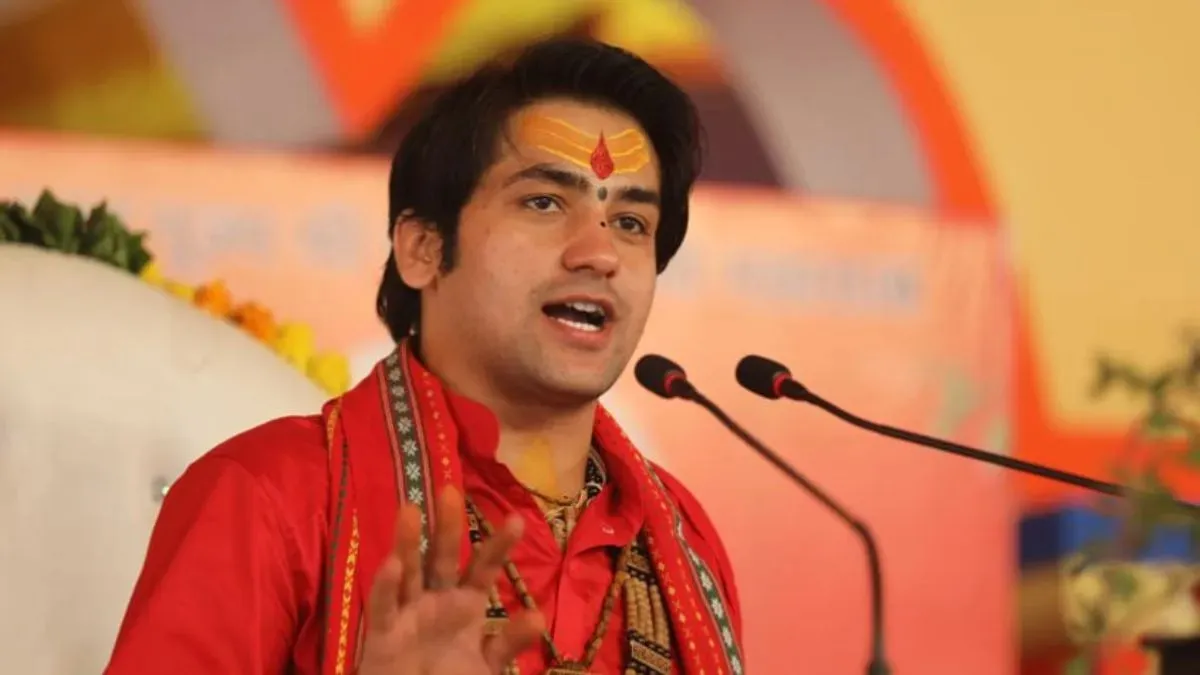
Dhirendra Krishna Shastri’s Ram Navami 2026 Statement Sparks Debate: Faith, Non-Violence, and National Duty
Introduction
occasion of Ram Navami The Ram Navami of 2026, a day that celebrates the birth of Lord Ram and his ideals of righteousness, truth, and compassion, became the center of a nationwide debate after remarks made by Dhirendra Krishna Shastri. Known for his growing influence and mass following, Shastri’s statement on the occasion of Ram Navami has triggered intense discussions across political, religious, and social circles.
During a public address in Madhya Pradesh, he emphasized the importance of non-violence but added a controversial line suggesting that violence against those harmful to the nation should not be considered a crime. This dual stance has sparked both support and criticism, turning a spiritual festival into a flashpoint of ideological debate.
Ram Navami A Festival of Ideals
The occasion of Ram Navami holds deep cultural and spiritual significance. It commemorates the birth of Lord Ram, revered as the embodiment of dharma and moral conduct.
Across India, devotees celebrate the occasion of Ram Navami with devotion, prayers, and community gatherings. Traditionally, the occasion of Ram Navami is associated with peace, discipline, and adherence to ethical values. This is why any statement linked to the festival carries immense symbolic weight.
The Statement That Sparked Controversy
During his speech on the occasion of Ram Navami, Dhirendra Krishna Shastri said that while non-violence should be followed in life, violence against enemies of the nation should not be seen as wrong.
This statement quickly went viral, with clips circulating widely on social media. Supporters interpreted his words as a call for strong national defense, while critics argued that such remarks contradict the core message of the occasion of Ram Navami, which promotes peace and harmony.
The controversy deepened as political leaders and activists weighed in, making the occasion of Ram Navami a focal point for broader ideological discussions.
Understanding the Context
To fully understand the controversy, it is important to analyze the context in which the statement was made. Religious leaders often draw parallels between ancient teachings and modern challenges.
On the occasion of Ram-Navami, references to Lord Ram’s life are common. In the epic Ramayana, Ram is portrayed as both compassionate and firm, someone who upheld peace but also fought against injustice when necessary.
Supporters argue that Shastri’s statement reflects this duality. However, critics insist that invoking such interpretations on the occasion of Ram Navami can be misused in today’s socio-political environment.
Supporters’ Perspective
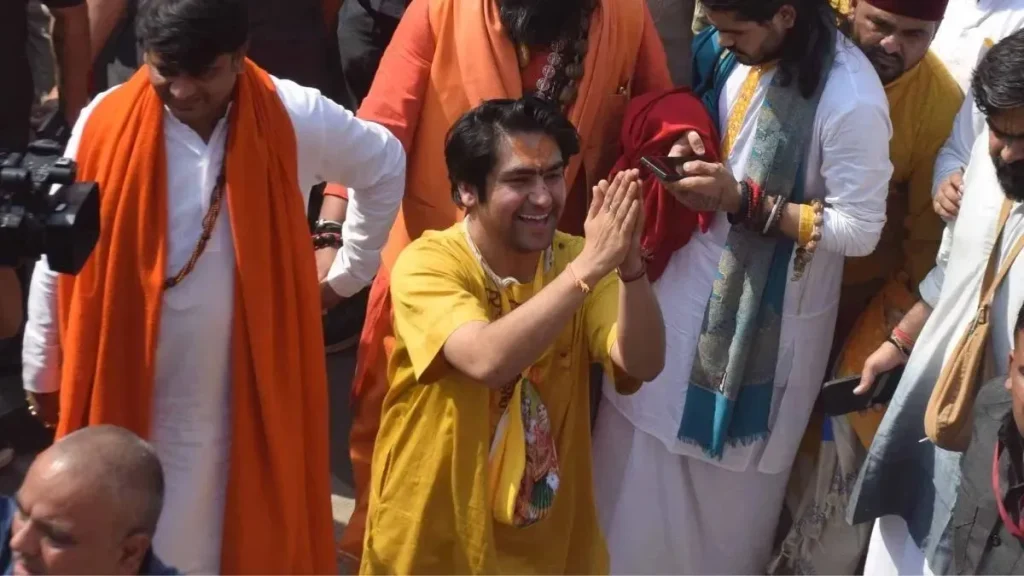
Many followers of Dhirendra Krishna Shastri have come forward in his defense. They believe that his statement on the occasion of Ram Navami was taken out of context.
According to them, he emphasized non-violence as the primary principle while referring to violence only in situations involving national security or self-defense. For supporters, the message on the occasion of Ram Navami aligns with the idea that protecting the nation is a duty.
Critics’ Concerns
On the other hand, critics argue that such statements can have serious consequences. They believe that linking violence, even conditionally, to the occasion of Ram Navami can send the wrong message.
Their concerns revolve around the possibility of misinterpretation by the public, the risk of increasing social tensions, and the deviation from the peaceful teachings of Lord Ram. For them, the occasion of Ram Navami should remain a symbol of unity and non-violence.
Political Reactions
The controversy soon entered the political arena. Leaders from various parties reacted strongly to the statement made on the occasion of Ram Navami.
Some political figures supported Shastri, emphasizing national security and cultural pride. Others criticized the statement, calling it irresponsible and divisive. As a result, the occasion of Ram Navami became a topic of heated debate not just in religious circles but also in political discourse.
Media and Social Media Amplification
In today’s digital age, statements made during public events can quickly reach millions. The remarks on the occasion of Ram Navami were no exception.
Social media platforms were flooded with videos, debates, and opinions. This amplification ensured that the occasion of Ram Navami controversy remained in the spotlight for days and even weeks.
The Philosophy of Non Violence
At the heart of the debate lies the concept of non-violence. Lord Ram’s life is often interpreted as a balance between compassion and duty.
On the occasion of Ram Navami, discussions about these values become especially relevant. While non-violence is a guiding principle, the Ramayana also includes instances where force was used to uphold justice. This dual interpretation is what makes the statement on the occasion of Ram-Navami so controversial and open to debate.
Impact on Society
The controversy has had a noticeable impact on public discourse. Conversations around religion, nationalism, and ethics have intensified.
The occasion of Ram Navami, which is usually a time of celebration, turned into a moment of reflection and debate. It has led to increased polarization in opinions and greater scrutiny of statements made by influential figures.
Role of Religious Leaders
Religious leaders hold significant influence in society. Their words can inspire, guide, and sometimes provoke debate.
The statement on the occasion of Ram-Navami highlights the responsibility that comes with such influence. It underscores the need for careful communication, especially on sensitive topics that can affect public sentiment.

Balancing Faith and Modern Realities
One of the biggest challenges today is balancing traditional beliefs with contemporary issues. The occasion of Ram Navami provides an opportunity to reflect on how ancient values apply in modern contexts.
Shastri’s statement has brought this challenge to the forefront, prompting discussions on interpretation of religious teachings, the role of dharma in modern society, and the limits of expression.
Legal and Ethical Dimensions
Another aspect of the controversy is its legal and ethical implications. While freedom of speech is a fundamental right, it also comes with responsibilities.
Statements made on the occasion of Ram Navami are being examined for their potential impact on law and order. Authorities may consider whether such remarks could lead to unrest or misinterpretation.
Historical Parallels
India has witnessed similar controversies in the past where statements by religious or political leaders sparked debates.
The occasion of Ram Navami controversy fits into this broader pattern, reflecting ongoing tensions between tradition and modernity in a rapidly changing society.
Way Forward
To move beyond the controversy, it is important to promote dialogue and understanding. Encouraging responsible communication and focusing on the core values of festivals can help maintain harmony.
The occasion of Ram Navami should ideally remain a time for unity, reflection, and spiritual growth rather than division.

Conclusion
The controversy surrounding Dhirendra Krishna Shastri’s statement on the occasion of Ram Navami highlights the complex interplay between religion, politics, and society in India.
While his remarks have sparked debate, they have also opened up important conversations about non-violence, national duty, and the interpretation of ancient ideals in a modern world.
Ultimately, the occasion of Ram Navami serves as a reminder of Lord Ram’s teachings, values that emphasize righteousness, compassion, and balance. As society navigates these debates, the focus should remain on fostering harmony and understanding, ensuring that the spirit of the festival continues to inspire generations to come.
read more latest news

